Breaking out of Stuck
Deciding to assume 50% more authority

Just Do It is the Worst Advice
And also, there is something there.
Consider:
Don’t just stand there, do something. vs Don’t just do something, stand there.
One is asking you to take action, though that action might just be masquerading as chaotic motion. The other is asking to you pause and think, which might lead to analysis paralysis and never-ending bystanding.
Both skip over the step before - choosing what “it’ is.
Decide, then just do it.
Choosing instead of Defaulting
I have two active projects that seem to have very contrasting operating and decision-making cultures.
One seems to be holding tightly to the outdated content, with a heavy technical debt of processes and systems that no longer work, and habitual defaulting to things set up by people no longer there and that no longer fit the organization's goals or the needs of the customers. The default here is the status quo. The familiar tangled mess of inaction over the riskier what-if of change.
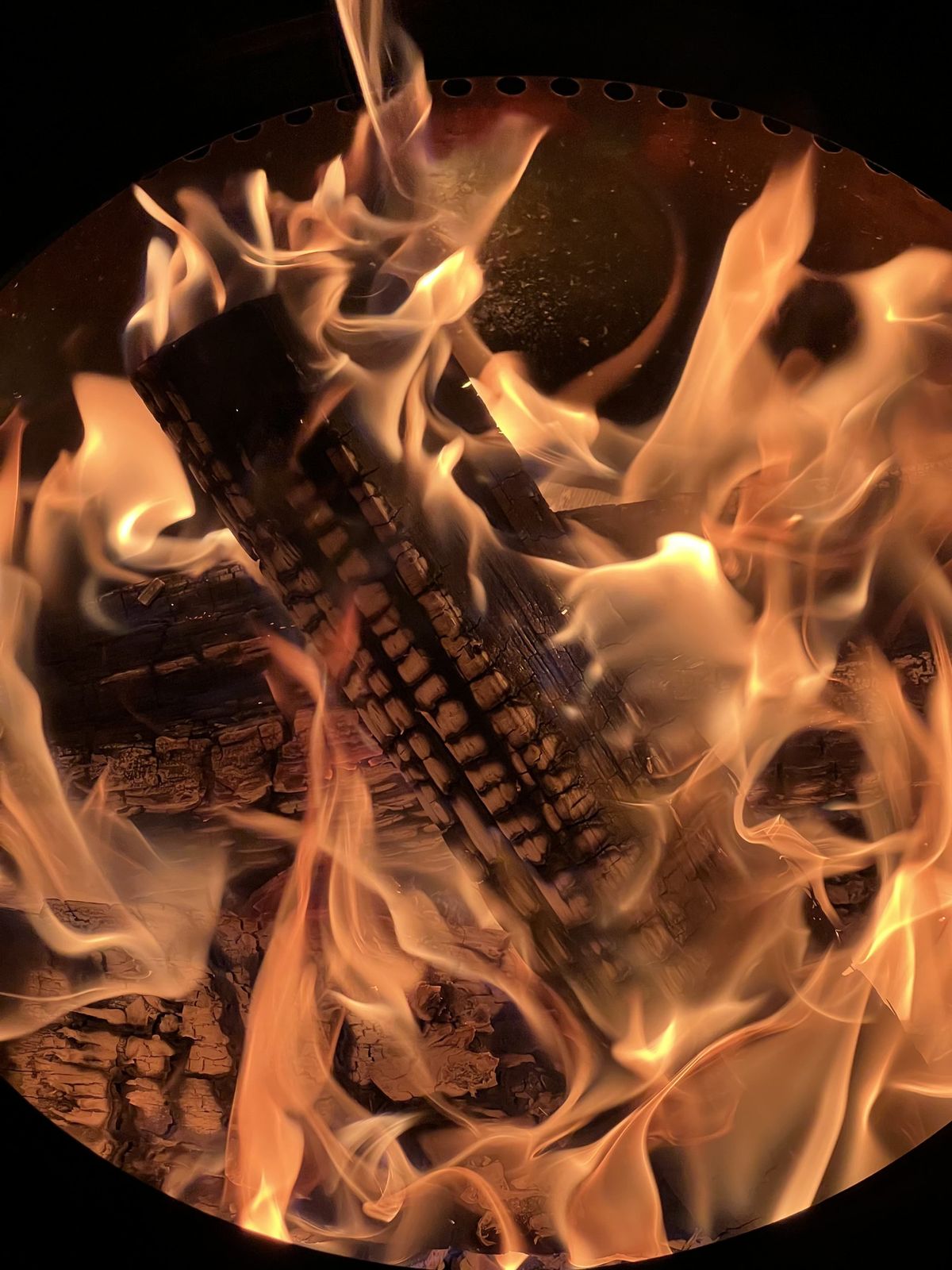
The need to break out of the mud will require a willingness to do a lot of creative composting, likely even a controlled burn of the piled-up debris.
It needs audacity and the willingness to assume authority, more authority.
The other project is much more intentional, nimble, and energetic. We move faster, but with intention and anchored in the vision of what we are trying to create. It requires fortitude to blaze a trail while also pulling from the knowledge of experts who have done this before. And to consider and integrate the constraints of reality, social norms, and customer expectations.
Operating this way takes work. Crafting a new way means you have to teach people how to do things differently. And consistently reinforce and model that behavior.
We just have to be willing to make a choice and move forward with it. And deal with what happens when we take action.
Contrasting Decision-Making Processes
How often do you think about HOW you make decisions? Especially as a team or as a committee of volunteers.
Shifting information around from meeting to person to meeting is just operating in bystander mode, passing the decisions around until the decision you’ve made is to default to what was before.
Making a move requires making a decision based on the information you have in that moment, and then acting on it. The action is the important part.
On the nimble project, the operating agreement for the groups is if you can advance the project, do it.
So, last Sunday, I built a solid foundation of a website on Notion for the event I’m co-hosting this fall. I didn’t survey the team about various ways we could do the website, compare all the different platform options, or spend a ton of time debating what needs to be where, I just picked something and ran with it, building it out enough to see if it would meet our needs and to get feedback and input from the other organizers. It’s not ready for the public, but it’s no longer a blank page or an un-started task floating on a list in perpetuity. It’s good enough.
This is the advice process in action as a decision-making framework. The advice process means that I gather input from the relevant people, consider those impacted, and am empowered as an individual to make the decision autonomously.
I can advance the project by taking action.
And it works here because we as a team of volunteers have agreed that that is how we will operate.
Breaking out of the Mud
A committee of people can break out of the mud. But that requires immense coordination, incredible communication about who is pushing where and in which direction, people actually showing up and participating, and navigating the assumptions and questions like - do we have the authority to break out of the mud?
Or…
What if we just took the few meaningful and valuable things and burned the old down to compost so we could create anew?
What has to be true for me to do that on behalf of this project? And am I willing to do it?
I need to "assume 50% more authority than I think I have."
I need to know that I will step on some toes and that’s okay.
I need to communicate what’s going on and why to those that are impacted.
I need to make generous decisions with good intent and follow through.
And I need to do it anyway.
Because I believe in the potential once the project is out of the mud.